
Show

Forgot your password?

Error message here!

Error message here!

Error message here!

Error message here!

Show Error message here!

Show Error message here!

Lost your password? Please enter your email address. You will receive a link to create a new password.

Error message here!

Back to log-in

Close

For Sale

The following items are listed by for sale by users of the site and dealers. They are in no way endorsed or guaranteed by www.antiquearmsresearch.com

Add a Classified Item
to

Clicking on the sword will take you through to the relevant classified item or dealer site.
Don't miss out! - Do you want to be kept informed weekly of new aditions? Just join our weekly update list.

You can also receive regular email notifcations when items match your keywords. To recieve them just register or logon at the top right of this page.
Page 17 of 160
  • Nation : Persian
  • Local Price : £3950
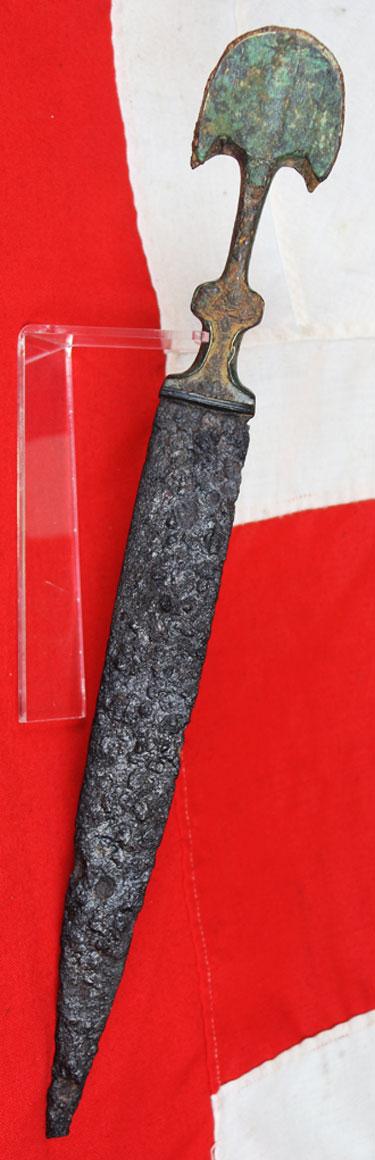
Click and use the code >23515 to search for this item on the dealer website Fabulous Bronze and Iron Archemeanid Empire Sword From the Time of the Greco-Persian Wars of Xerxes the Great Against the Spartans at Thermopylae. The Very Type of Sword Actually Used As Depicted in The Movie 300 Spartans
  • Nation : Japanese
  • Local Price : £3950
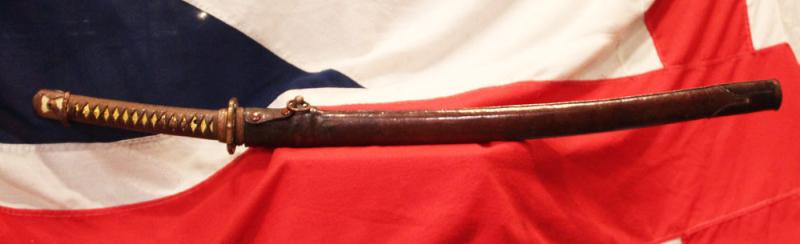
Click and use the code >25370 to search for this item on the dealer website Superb, Gendaito, Japanese Traditionally Hand Made Officer´s Katana By A Famous Gendaito Sword Maker, & Signed Ichihara Ichiryushi Nagamitsu, With His Kakihan, and Silver Clan Kamon Of the Fujii
  • Nation : British
  • Local Price : £3950
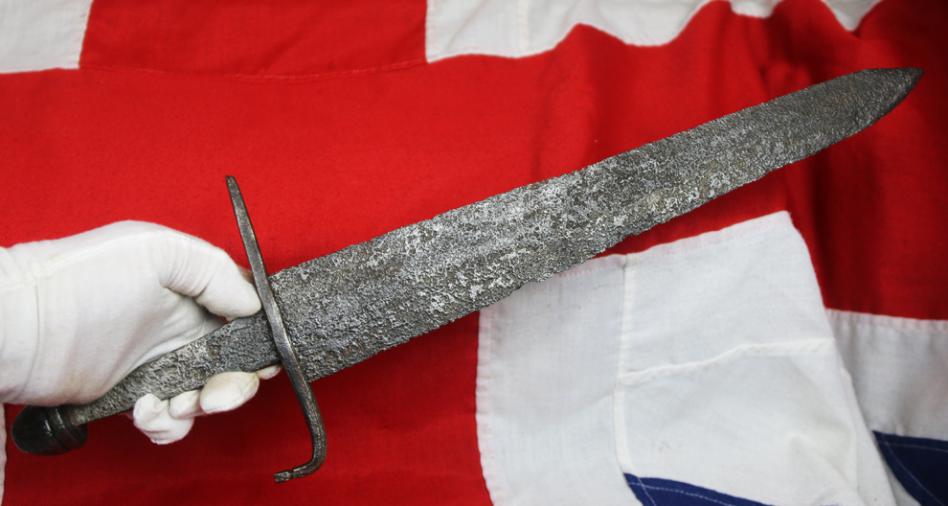
Click and use the code >23523 to search for this item on the dealer website Fine & Rare Medieval Short Sword, 15th Century, Used in the Battle of Agincourt 1415 Period, The Weapon of A Man-At Arms, Or Foot Knight of The Anglo French Wars Era of King Henry Vth
  • Nation : Spanish
  • Local Price : $7,500.00 CAD
SPANISH CONQUISTADOR CUP HILT RAPIER. SPANISH CONQUISTADOR CUP HILT RAPIER: Circa 1650-1700. Long Flamberge blade 38”, 7/8” wide. “IN SOLINGEN” is engraved in each fuller, with an “S” at the end of each fuller. The “S” is another Solingen mark. The cup hilt is of particular interest as the design on the outward half of the cup is chiseled with an INCA / AZTEC influence. This design unquestionably has the sword connected to the New World (the Americas). The voided areas along the edge and upper portion of the guard are very nicely done. The entire hilt style is of a classic Spanish style and in exceptional condition. This is an extremely rare and important piece. $7,500.00
  • Nation : British
  • Local Price : £3900
Scarce Royal Horse Guards Basket Hilted Back Sword circa 1750 to 1780. A fine example of a British Horseman’s Basket Hilted Back Sword made for an officer in The Royal Horse Guards as is evidenced by the subjects in surviving contemporary portraits of officers in that regiment. Whilst the hilt type is distinctive in terms of its stylistic features, a further aspect which is not conveyed by the photographs featured below, is its large size. The hilt type is one of a group of surviving swords with similar distinctive hilts which was once an Ordnance Pattern at the higher end of the quality range for British military swords. Its issue coincided with the outbreak of the Seven Years War in Europe (1756 to 1763). Simultaneously this conflict also spread to North America where it is referred to as the French and Indian War fought there between Britain and France. The sword type would have seen service in both theatres and most likely in the American Revolutionary War (1775 to 1783). The basket guard is particularly well constructed from thick robust iron bars.  The form of hilt decoration is the same style as that developed earlier in the century by the leading Scottish sword makers working in Glasgow such as John Simpson (I) and Thomas Gemmill who were both Kings Armourers. These makers developed the “Glasgow” style of Scottish hilt consisting of bold, flattened, rectangular structural bars, decorated on the outside with long shallow central grooves flanked by narrower incised lines either side. The style of our sword is the same but it was probably made by Harvey in Birmingham having adopted the Glasgow style for this particular pattern of hilt. The fully formed basket retains its pleasing oval shape and is pierced with triangles and circles in the main front and side guard panels which are also finely fretted at the edges with symmetrical chevrons and merlons. One of the main frontal guard plates in traditional basket hilt design has been replaced with a “horseman’s” oval ring. An additional elaboration by Harvey to the hilt design was to apply an extra transverse bar underneath the main guard plate just above the frontal loop guard. The arms of the guard are forged onto a circle of iron into which the base of the bun shaped pommel sits. The pronounced button is integral with the pommel and not of separate manufacture. The pommel is decorated with three sets of lines, similar in form to those present on the main bars of the hilt, formed as crescents. The grip is of wood covered leather bound with brass wire with iron ferrules top and bottom. Unusually this sword retains its full length single edged blade of 39.25 inches (99.5 cm). It has a short ricasso and a deep fuller running underneath the blunt back edge on each side for 22.5 inches (57 cm) after which the blade is double edged. A shallower broader fuller commences an inch or so from the hilt, runs along the middle of the blade, and tapers in proportion with the overall taper of the blade to the tip. The sword is in good condition overall with some blackened patination and age related staining. The parts of the hilt are tight together. See Robert Brooker, “British Military Pistols and Associated Edged Weapons”, Colorcraft Ltd, 2016  page 96, Figure 67 for a very similar example. Also see Richard Bezdek, “Swords and Sword Makers of England and Scotland”, Paladin Press, 2003, page 285 for another similar sword.
  • Nation : British
  • Local Price : £3,850.00
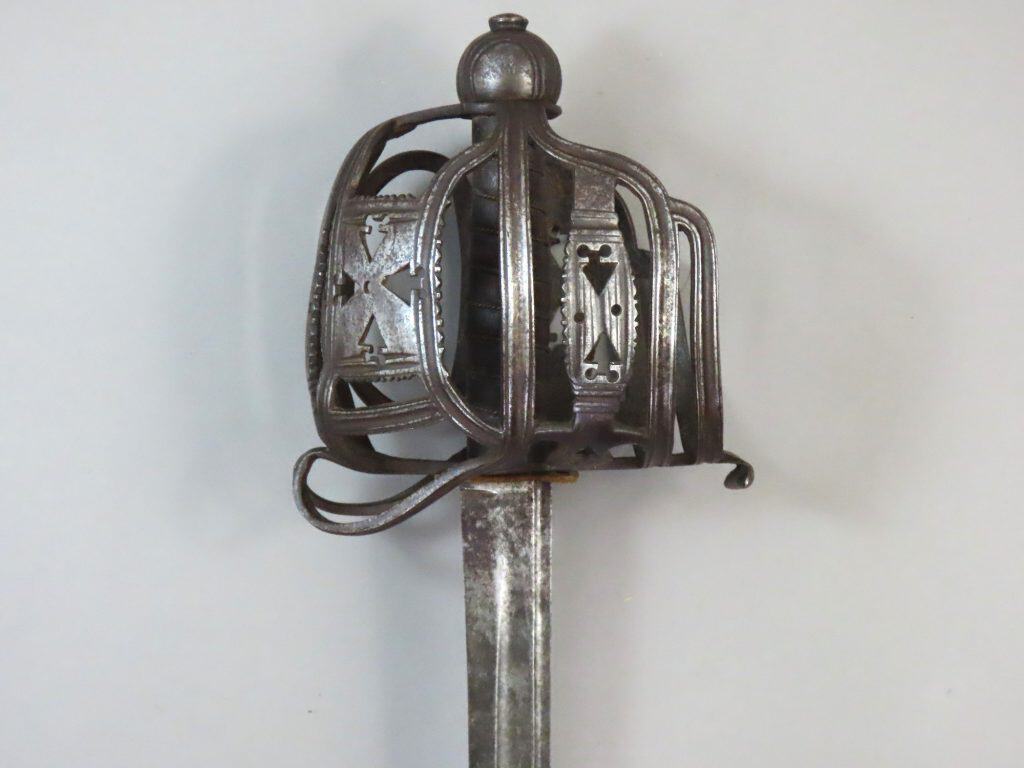
Scottish Fencibles Officers Sword c 1794. A rare basket-hilted sword for an officer of the Fencibles, 1794 circa. Single edged blade with wide fuller the spine maker marked Woolley and Co. Basket-shaped hilt with flattened bars and consisting of two halves with engraved decoration, the central part featuring the large Georgian crown, round pommel with extended tang button, and fish-skin grip secured by twisted brass wire. Information: The Fencibles from the word defencible were British regiments raised in the United Kingdom, Isle of Man and in the colonies for defence against the threat of invasion during the Seven Years’ War Blade Length: 77cm Overall Length: 92cm
  • Nation : British
  • Local Price : £3850
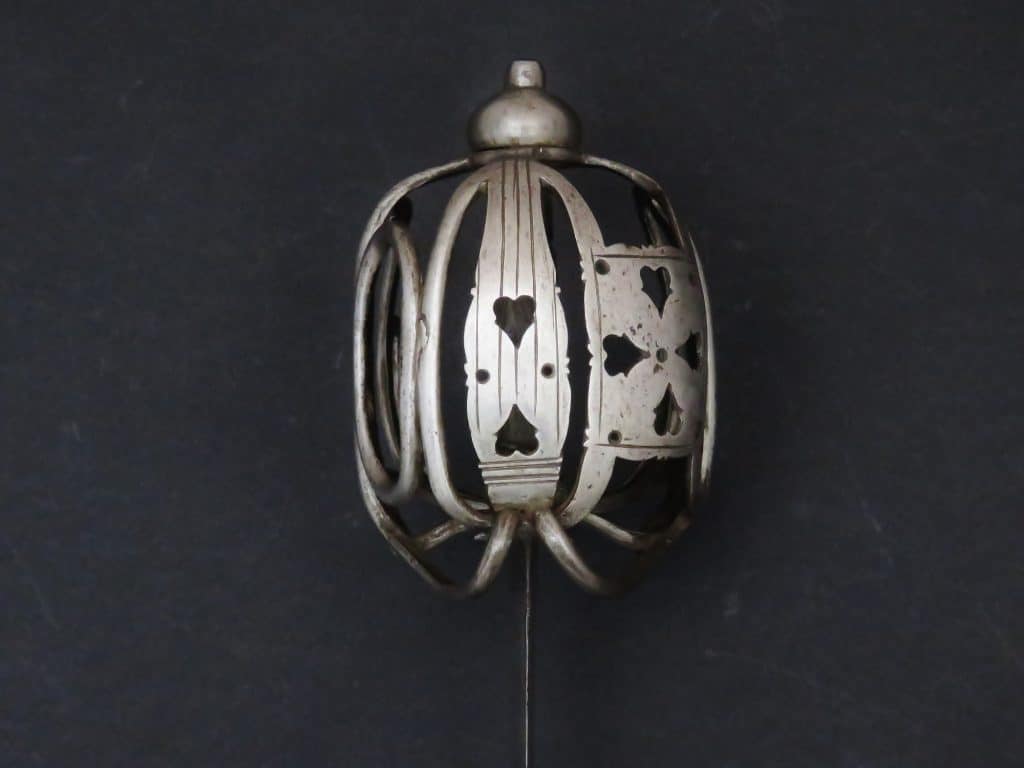
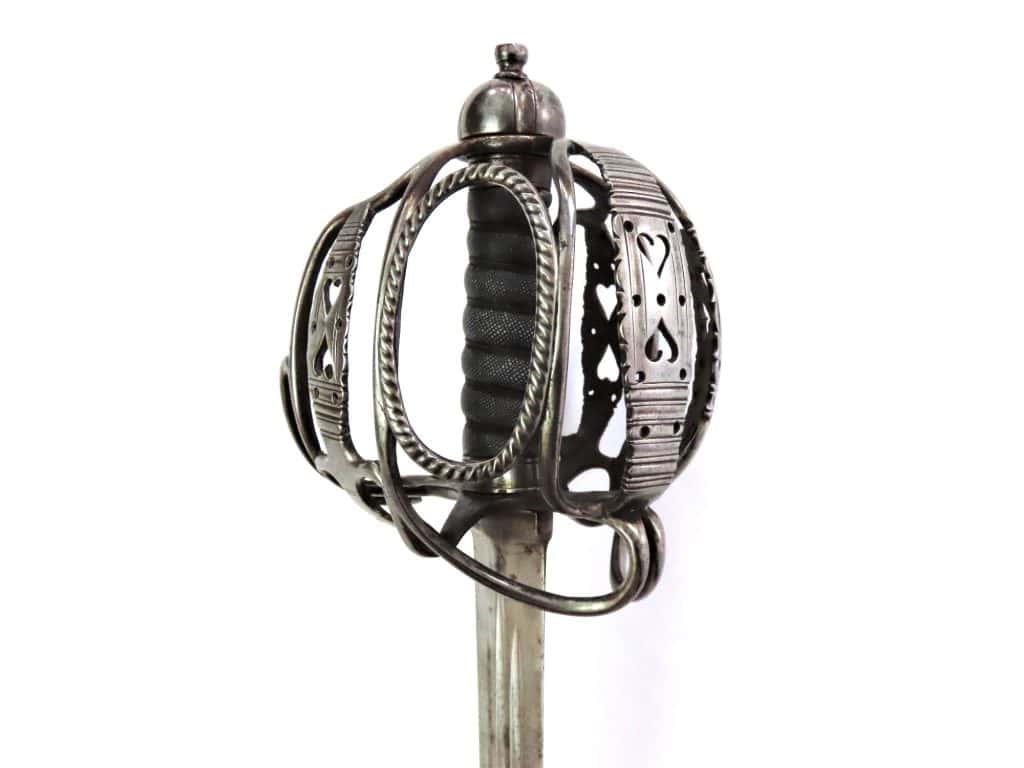
Mid-18th Century British Dragoon Basket Hilted Sword. An impressive example of a horseman's basket hilted back sword made for an Officer, or Trooper, of a North British / Scottish Regiment of Dragoons towards the middle and third quarter of the 18th century. These swords were issued by the Board of Ordnance to British regiments and were manufactured in the Scottish manner. They were first issued in the second quarter of the 18th century and were used during the Jacobite Rebellion of 1745, Britain’s wars in Europe and the American Revolutionary War. The sword is a rare example of one that retains its remarkable full length blade of just over 40 inches (102 cm) designed mainly for striking downwards at opposing infantry soldiers with greater reach than the more usual blade lengths of the time could afford. Although many swords of this type are mounted with blades of shorter length, the majority of those that were originally made with this longest type were cut down. This is a rare survivor with its metal parts in extremely well preserved and undamaged condition as visible in the photographs. The fully formed basket is pierced with flanged hearts and circles in the main front and side panel guards which are also finely fretted at the edges with chevrons and merlons. One of the more usual frontal guard plates has been replaced with an oval ring in “horseman” fashion. The arms of the guard are forged onto a circle of iron into which the base of the bun shaped pommel sits. The pronounced button is integral with the pommel and not of separate manufacture. The original grip is of wood which retains its “Turk's Heads” top and bottom. It has lost its shagreen cover and wire binding. The robust single-edged blade has a thick spine and is double edged for the last 19.25 inches (48.5 cm) towards the point. It has a short ricasso and two fullers which commence 4.25 inches from the hilt. One wide broad fuller runs down the middle of the blade to the point and a second narrower fuller runs just underneath the spine to where the blade becomes double edged. Overall the sword is in fine and original condition. For a further example of this sword type see Cyril Mazansky, British Basket-Hilted Swords, Boydell Press / Royal Armouries, 2005, plate F1e page 97 for a sword in the National Museums of Scotland, collection reference LA33.
  • Nation : British
  • Local Price : £3.850
British Basket Hilted Cavalry Sword Circa 1780. A very nice example of a horseman's basket hilted broad sword made for an Officer in a North British / Scottish Regiment of Dragoons in the mid second half of the 18th century. These swords were issued by the Board of Ordnance to British regiments mainly with Scottish associations and were manufactured in the traditional Scottish style. Swords of this military type were first issued towards the second quarter of the 18th century to officers and men and were used throughout the periods of the Jacobite Rebellion of 1745, Britain's wars in Europe and the American Revolutionary War. They went out of use towards the end of the century when different regulation patterns started to appear. Subtle differences in the features of the hilt indicate that this sword is late in the production period and represents the last phase of its type. It is a rare survivor. The fully formed basket is pierced with hearts and circles in the main front and side panel guards which are also finely fretted at the edges with chevrons and merlons. One of the usual primary frontal guard plates has been replaced in this  hilt design with an oval ring in the “horseman” fashion. The hilt is decorated with patterns of incised lines and grooves more profusely than is usual and the oval ring is grooved in a gadrooned manner which is unique for this sword type. These embellishments indicate that the sword is an Officer’s weapon. The arms of the guard are forged onto a circle of iron into which the base of the bun shaped pommel sits. The pronounced button is central to the pommel dome and of separate manufacture. Four grooves radiate from it flanked by narrow incised lines. The original spirally grooved grip is of hardwood and retains its shagreen cover, twisted wire binding and grooved iron ferrules top and bottom. The tapering double edged blade is of fine quality.  It has a short ricasso after which a triple fuller commences and extends to a distance 7.5 inches (19 cm) from the tip. The middle fuller is slightly longer than those on its flanks. The blade is 32 inches (81.25 cm) long and overall the sword is 38.25 inches (just over 97 cm) long. Overall the sword is in fine and original condition. The metal parts are very well preserved. The hilt maintains its original profile and is without damage or repairs. For further examples of this sword type, although much plainer and slightly earlier than ours, see Cyril Mazansky, British Basket-Hilted Swords, Boydell Press / Royal Armouries, 2005, plate F1e page 97, for a sword in the National Museums of Scotland, collection reference LA33, and page 125 plate F17c for one in the late Anthony Darling Collection
Page 17 of 160