
Show

Forgot your password?

Error message here!

Error message here!

Error message here!

Error message here!

Show Error message here!

Show Error message here!

Lost your password? Please enter your email address. You will receive a link to create a new password.

Error message here!

Back to log-in

Close

For Sale

The following items are listed by for sale by users of the site and dealers. They are in no way endorsed or guaranteed by www.antiquearmsresearch.com

Add a Classified Item
to

Clicking on the sword will take you through to the relevant classified item or dealer site.
Don't miss out! - Do you want to be kept informed weekly of new aditions? Just join our weekly update list.

You can also receive regular email notifcations when items match your keywords. To recieve them just register or logon at the top right of this page.
Page 31 of 164
  • Nation : British
  • Local Price : £2,450.00
15th Hussars Officer&#acute;s Mameluke. 15th Hussars Officer&#acute;s Mameluke very nice condition regimental hilt and bone grip. The slightly curved blade with faint etching but William 4th cypher and I V visible Hilt and blade tight and complete with steel scabbard with gilt brass mounts. Reference: Swords of The British Army by Robson plate 84 – 85 Blade Length: 32.25 inch Overall Length: 38.0 Inch
  • Nation : British
  • Local Price : £2450
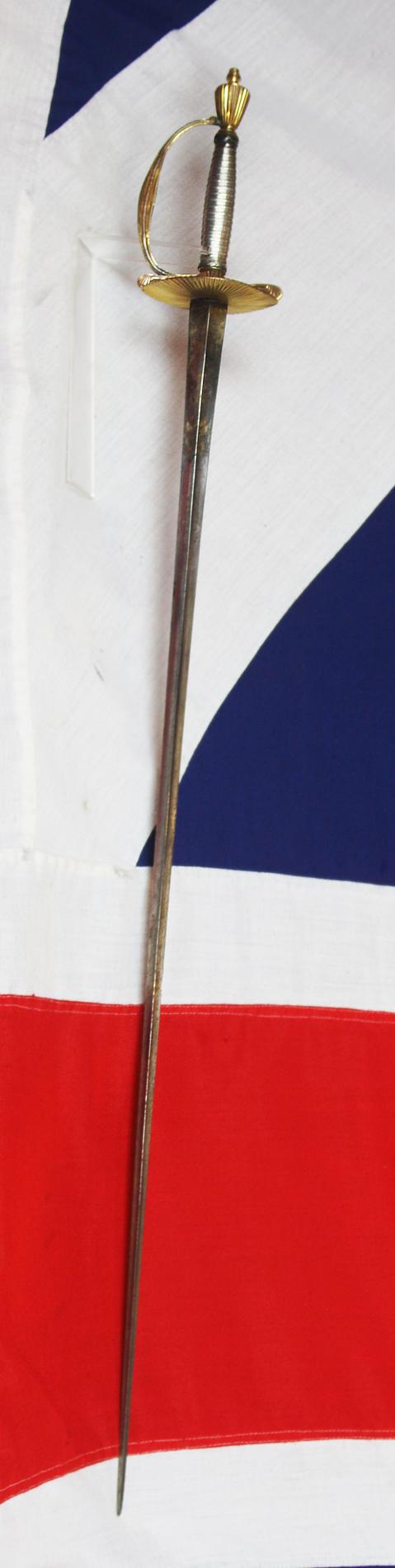
Click and use the code >24953 to search for this item on the dealer website Wonderful, Napoleonic Wars Period Museum Piece, A Highest Ranking British Officer´s Sword Bespoke Commisioned For The Highest Ranking Officers of Both The Navy or Army, A 1790´s Admiral of the Fleet or Field Marshal´s Sword In Fabulous
  • Nation : British
  • Local Price : £2400
Scottish “Horseman’s” Basket Hilted Sabre dating to circa 1740. A Scottish basket hilted sabre dating towards the middle of the 18th century and the period surrounding the Jacobite Rebellion of 1745. The guard is fashioned from forged iron bars of rounded rectangular section with the spaces infilled with flat secondary and primary guard panels. This design of hilt is for a horseman and formed with only one, instead of two, primary guard plates to the front, replacing one with the typical oval ring for a horseman’s hilt. The curved blade is robust and well forged and of a curved type not often found on Scottish basket hilted swords. The front guard panel is decorated in traditional style. It has fretted edges and  vertical and horizontal incised border lines towards the panel edges to form a square. Inside the square a circle is pierced into the centre surrounded by boldly cut hearts and circles. The side panels and the knuckle bow to the front are finished with heart shapes above and below pierced patterns of four circles. The side guard panels have merlons at the base also pierced with hearts in the middle. The dome-shaped pommel has a waisted button on top and is decorated with three sets of equally spaced incised and filed lines which radiate from the button, the middle line being wider than those on each side in each case. The spaces between are decorated with similar line forms in crescent shapes. The upper guard arm terminals of the basket fit into a chiselled groove which extends for the full circumference of the pommel just below its middle to secure the structure. The blade shoulders sit in a groove chiselled into the cross guard bar underneath the hilt. The spirally grooved wooden baluster shaped grip is missing its cover and wire binding. The hilt retains a thick leather liner at the base of the grip. The blade is has a pronounced fuller extending from the hilt under the blunt back edge and terminates 7 inches (18 cm) from the tip after which it is double edged. A second fuller extends underneath the first almost to the blade tip. A blade maker’s mark consisting of the letters “C H” in raised relief are present inside a depressed panel separated by a cruciform shape. The panel is flanked by two further small stamped marks of approximate fleur de lys shape. The blade is most likely of Solingen manufacture but the maker’s mark is unknown. For Scottish swords of contemporary and different styles see Cyril Mazansky, “British Basket-Hilted Swords”, The Boydell Press, 2005. The overall length of the sword is 35.5 inches (90 cm) and the blade is 29.5 inches (75 cm) long.
  • Nation : British
  • Local Price : £2400
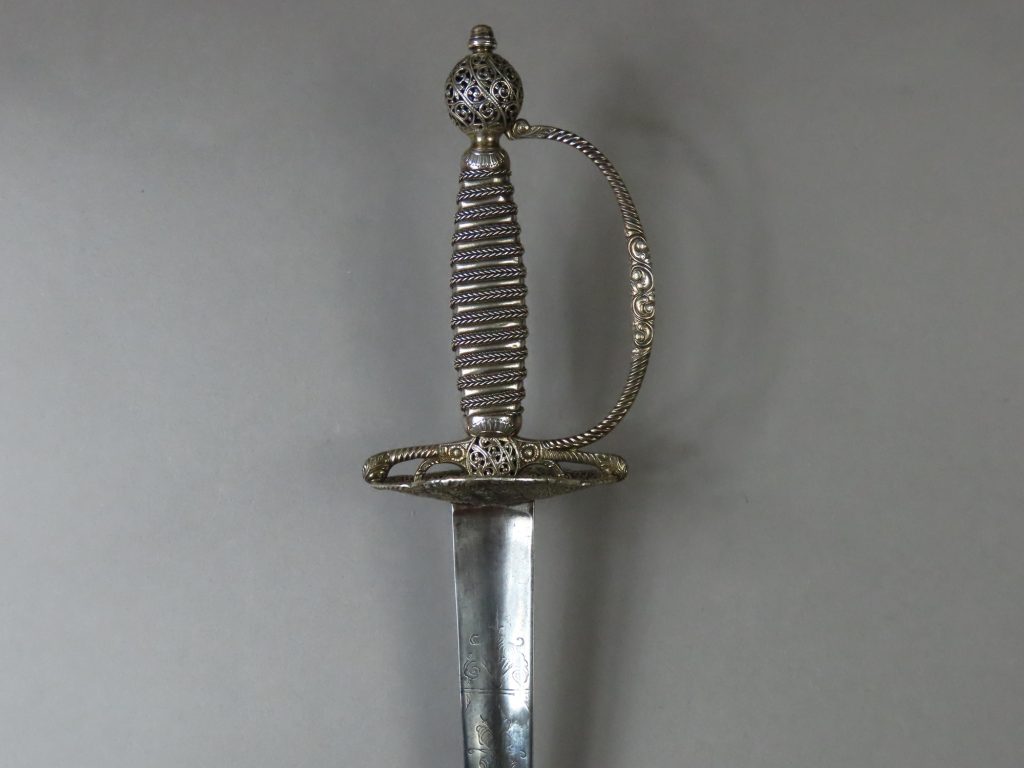
English Silver Hilted Small Sword by William Kinman of London Hallmarked for 1768 / 1769. An exceptional pierced dish hilted smallsword by the renowned 18th century London silversmith and cutler William Kinman, date-stamped for 1768 / 1769. The hallmarks are of small type stamped into the Pas D'Ane rings and consist of the maker's mark of “W K” in raised relief inside a depressed irregular panel with a pellet between the letters, the lion passant mark, crowned leopard's head assay mark and date stamp. Kinman's work, together with a few of his contemporaries, represents the highest standard of English silver craftsmanship of the time as is to be seen in the hilt of this sword. The dish guard, pommel and ricasso are pierced and engraved with exquisitely detailed foliate scrolls formed within diagonally spaced panels, the sides of which emulate waving tendrils. The delicacy of the interior of the dish guard is supported by a strengthening of the rim which is decorated with floral designs front and back with gadrooned engraving to the sides, which is repeated on the knuckle bow and quillons. The baluster shaped wooden grip is of rounded rectangular section diagonally bound with silver strip interspaced with a double length of plain wire with thinner twists on each side, mounted with silver cap terminals top and bottom engraved with floral designs. The hilt is as much an example of the high standards of design and execution required of the 18th century London silversmith as it is as an effective weapon maker. Silver hilted small swords were fashionable attire for 18th century gentlemen. Mostly worn for effect as a show of wealth and taste, someone wearing such a sword was also announcing to the world that he could use it, and was at risk of being invited to do so. Despite the stylish and delicate appearance of these swords they were formidable dueling weapons. The triangular section, stiff, robust, hollow ground bright blade retains its  engraved decoration on both sides at the forte including panels of foliage and strapwork on each side, with stands of arms inside ovals between, indicating that the sword originally belonged to a military officer. The sword is in fine condition overall. There are no losses or repairs to the hilt which has maintained its original pleasing outline. The blade is 32 inches (just over 81 cm) long and overall the sword is 38.5 inches (98 cm) long. William Kinman was one of the most influential and preeminent makers of silver hilted swords working in London in the third quarter of the 18th century. He made swords for the London social and military elites. He was a leading member of the Founders' Company of London and served in all the major offices of the guild including Master. Kinman was born in 1728 and was sworn free of the Founders' Company in 1750, when presumably he started to make silver hilted swords under his own name and was admitted to livery in 1757. Kinman entered his first mark at Goldsmiths' Hall in 1759 (Grimwade 1990 reference 3210) which is his mark on this sword. William Kinman was at his most prominent in the earlier part of his career, when this sword was made, later becoming bankrupt due to the failure of a founding business he was involved in. For contemporary silver hilted swords by William Kinman and other notable London makers see Leslie Southwick, “London Silver-Hilted Swords”, Royal Armouries, 2001. And for further information on Kinman’s life of see pages 159 and 160.
  • Nation : British
  • Local Price : £2395
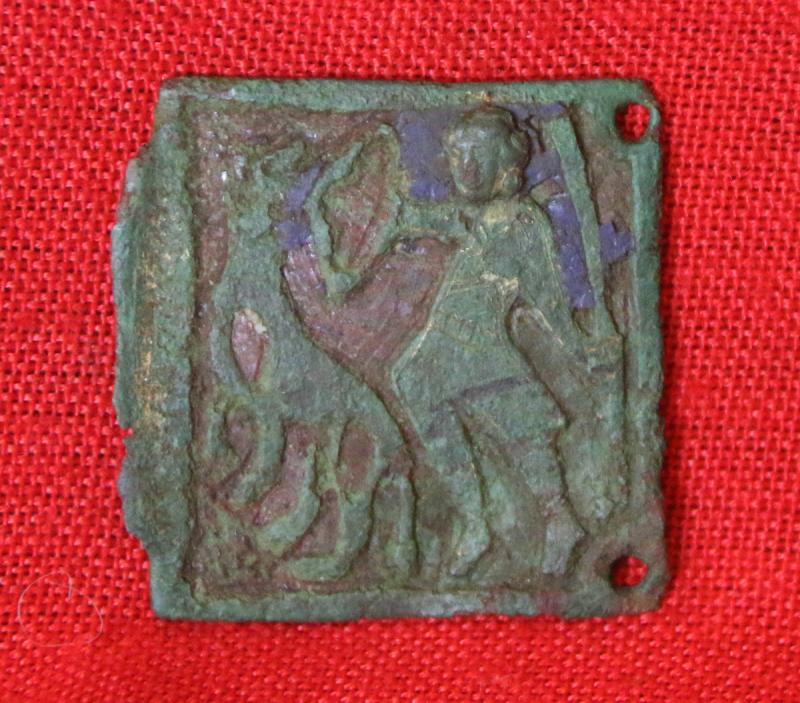
Click and use the code >25555 to search for this item on the dealer website From Limoges, a Champleve Enamel Gilt & Bronze Sword Belt Plate of a Knight of King Henry II & Queen Eleanor of Aquitaine. Decorated With A Knight Combating A Beast with Spear and Shield . 1100´s ´Opus Lemovicense´ Crafted in Limoges, Aq
  • Nation : British
  • Local Price : £2375
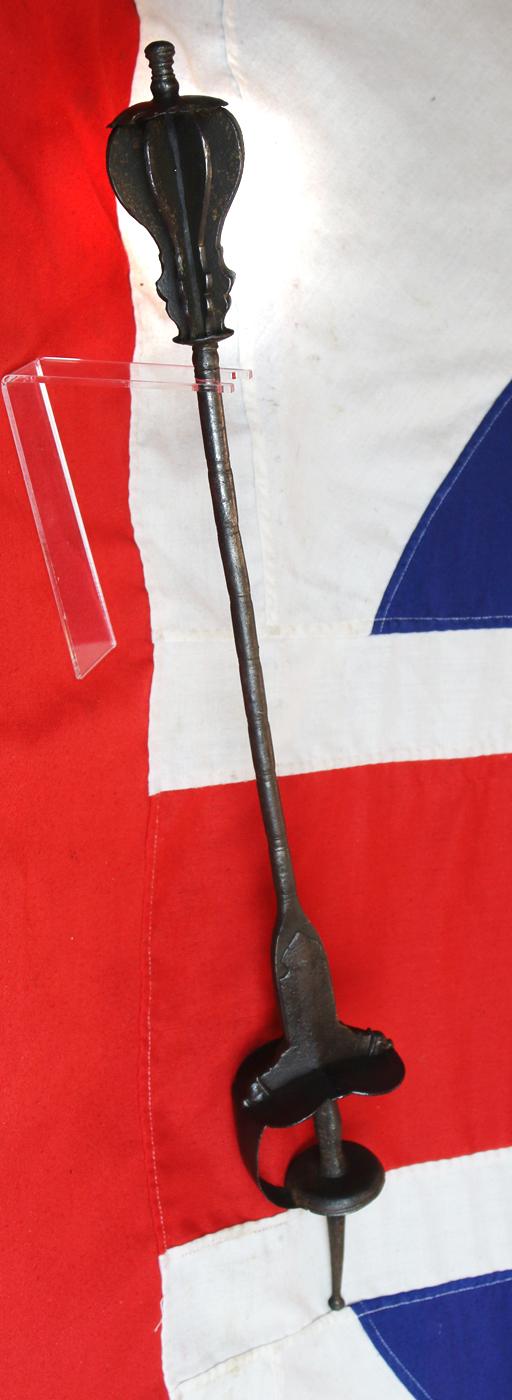
Click and use the code >24186 to search for this item on the dealer website One Of The Most Impressive, Fiersome, & Effective, Combat Weapons Ever Created. A 1600´s to Early 1700´s Mughul Period Battle Mace Shishpar With 8 Flanged Head and Khanda Sword Hilt. A Most Formidable Usually Hindu Piece Yet As Popular in Anci
  • Nation : British
  • Local Price : £2350
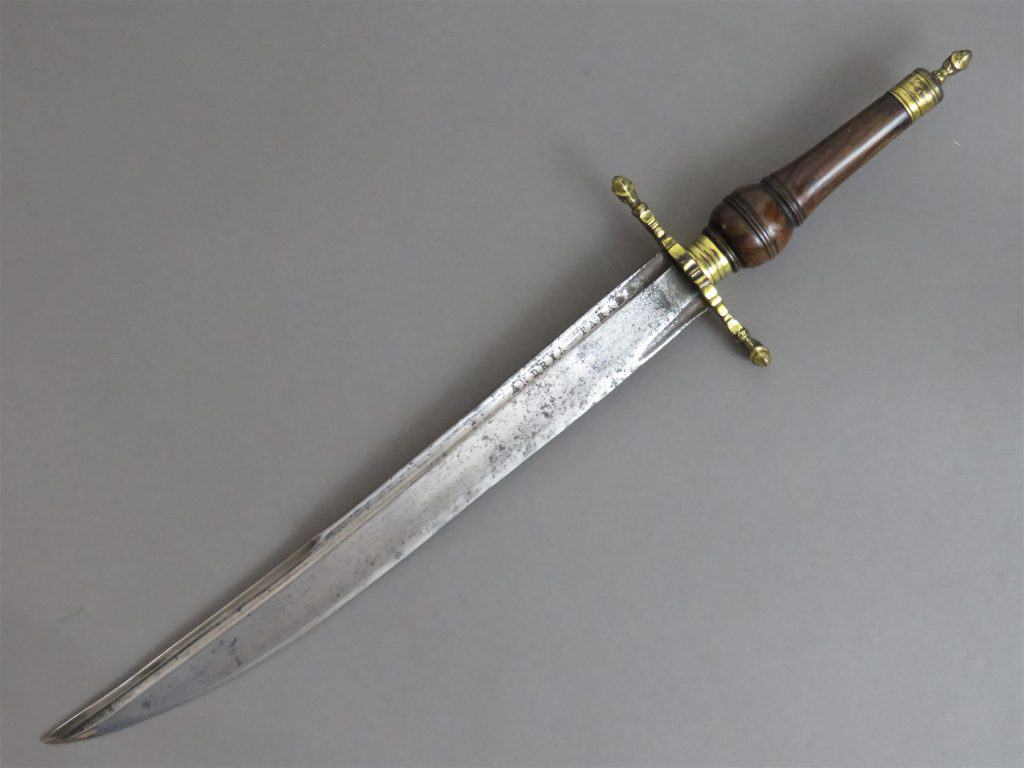
Late 17th Century English Plug Bayonet for an Officer with Fire Gilt Mounts. A fine English Plug Bayonet for an Army Officer dating to circa 1690 to 1700. Plug bayonets were used by the British military after the middle years of the 17th century until they were replaced with the socket bayonet in the early 18th century. The figured hardwood grip is of circular section tapering towards the pommel and has the characteristic swelling at the base turned with sets of decorative grooves around the circumference above, midway and below. A brass ferrule at the base separates the wooden grip from the cross guard. This is also decorated with a pattern of horizontal circular grooves. The cross has a thick oval shaped block with faceted edge and horizontal quillons. The tapering brass pommel sleeve is also decorated with horizontal grooves. Each quillon terminal and the pommel top consists of a helmeted warrior’s head. The mounts retain most of their original gilding. The particular feature of helmeted heads forming pommel caps and / or quillon tips was noted by Harold Peterson as an “English pattern that seems to have been very popular during the very late 17th century, and possibly the opening years of the next century” which “boasted pommels and quillon terminals in the form of helmeted heads”. A survey of plug bayonets by R.D.C Evans devotes a section to English plug bayonets and notes that those with helmeted heads are English and illustrates several bayonets of this type. The slightly curved single edged blade is of robust manufacture. It has a pronounced fuller which extends underneath the spine to the tip. Near the hilt the blade maker’s mark “ANDRIA FARARA” is present on both sides indicating that the blade is of German, probably Solingen, manufacture. It has been adapted from an obsolete heavy sabre blade. The blade is double edged for two fifths of its length towards the tip. The ricasso consists of a blunt edge on the cutting side near the hilt which has a short fuller running along side after which the sharp working edge commences. The blade length is just over 13.75 inches (35 cm) and overall the bayonet is 20.25 inches long (51.5 cm). Army officers wore plug bayonets. A portrait of Captain Francis Hawley of the 1st Foot Guards in 1685 shows the Captain wearing a plug bayonet which has a plain wooden hardwood hilt mounted with brass. Acknowledgements: Peter Finer Ltd, 2003 Catalogue, item 30 “A Fine English Plug Bayonet for an Army Officer circa 1690”. The bayonet is in fine condition overall. The hardwood grip exhibits a rich dark patina. The blade has mottled blackened patches in places.
  • Nation : British
  • Local Price : £2350
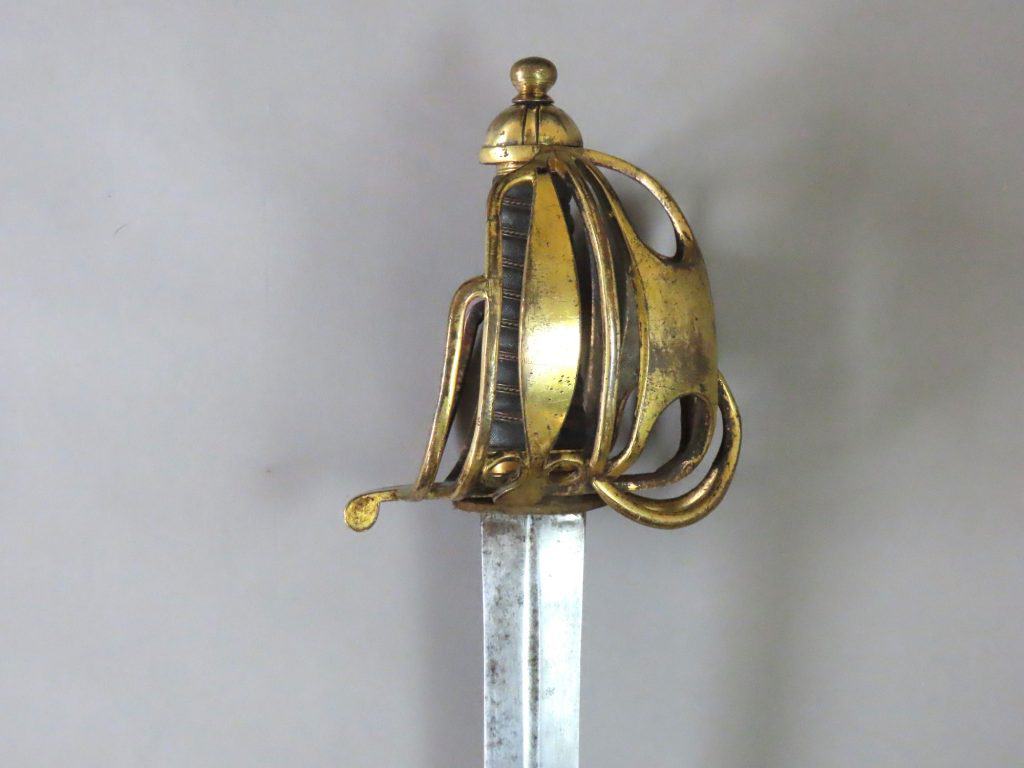
1798 Pattern Scottish Highland Infantry Officers’ Sword with Gilt Copper Hilt. An example of the distinctive basket hilted sword introduced for Scottish Infantry officers in Highland Regiments in 1798. It was replaced by the regulation steel basket hilt 1828 pattern three decades later. The sword type was used throughout the Napoleonic War period. This sword has most of its gilt covering to the bronze hilt still in place. The hilts of these swords were most usually made of gilt copper, bronze or brass. The hilt of this sword is of gilt bronze. The basket guard is made of rounded bars and flattened plates in the usual manner with forward loop guards and a swollen solid wrist guard terminal to the rear quillon. The upper terminals of the guard arms are fixed onto a ring inside which the stem of the mushroom shaped pommel is fitted. The pommel is dome-shaped with a large separate waisted and domed pommel button on top from which four sets of decorative grooves flanked by narrower lines radiate to the pommel edge. The double-edged gently tapering blade is 32.75 inches (83 cm) long. Typically it is of lenticular section with a short ricasso. A central fuller commences a short distance from the hilt on each side and is 8 inches (20 cm) long. The blade is unmarked and probably a German import which was the norm for this sword type and most probably of Solingen manufacture. The grip is of spirally grooved wood covered with shagreen held in place with thin ropes of twisted copper wire flanked with plainer thinner wire now coloured with age. It is mounted with gilt bronze ferrules top and bottom which are incised with decorative lines. The materials used for 1798 pattern hilts were less robust than iron and as a result were more susceptible to damage. Many surviving and published examples have bars missing, are out of shape and are often with repairs. This sword is a fine example without any such problems. The blade has a few small patches of blackened age-related staining in places and the hilt has kept its shape without damage or repairs as can be seen in the photos. For other examples of the 1798 type see: Harvey J S Withers, “The Scottish Sword 1600-1945”, Paladin Press, 2009, pages 13 to 151 and Cyril Mazansky, “British Basket-Hilted Swords”, Boydell Press, 2005, pages 131 to 133.
Page 31 of 164